Common
$12 – $40
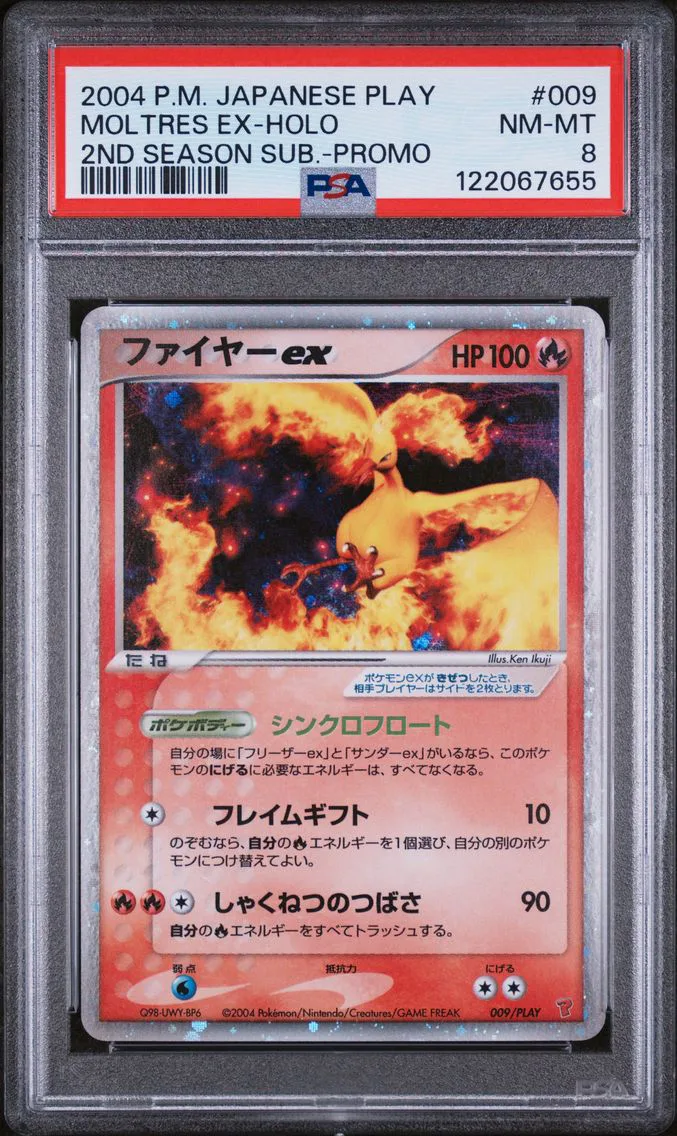
Graded cards from $12. The trap fills fast and catches often.
Grailtrap launches ordinary pump.fun coins with one change: the coin's on-chain creator is a fresh wallet made for that coin, the trap. Its creator fees collect there until they cover a real graded trading card, which is bought and sent to one holder, picked by a draw anyone can replay.
Live counts come from the pad's storage. It isn't reachable right now, so this shows a dash, not a guess.
About every ten minutes a job runs once for each coin. It goes down the same seven steps every time, and every step that moves money writes a ledger row with its transaction signature. Scroll down the shaft to follow one run.
Next scheduled sweep in --:-- (every 10 minutes on the clock, UTC; the scheduler can start a few minutes late)
Unfinished business first. A card that was bought on an earlier sweep but never reached a winner gets another delivery before anything new happens. If its new owner already holds it, the row is just marked sent.
Read the coin's price and market cap from its bonding curve, or from its PumpSwap pool once the curve is complete. The first time a coin graduates, that gets a ledger row of its own.
pump.fun pays the coin's creator a fee on every trade: 0.30% of volume on the bonding curve, 0.05% on PumpSwap after graduation. Here the creator is the trap. Once its creator vault holds at least 0.005 SOL, the sweep claims it, then pays the launcher's cut (0 to 15%, fixed at launch) and the platform's 10%. The rest stays in the trap.
Count what the trap can actually spend: its SOL above a 0.01 SOL reserve kept back for fees and rent, plus any USDC left over from an earlier catch, priced in USD at Jupiter's SOL price. This step moves nothing, so it writes no ledger row. It updates the coin's trap meter.
From the example claim, 0.2975 SOL lands in the trap. At $83.24 per SOL that adds $24.76 to the trap meter, assuming the 0.01 SOL reserve is already covered.
The trap catches once it holds the tier floor plus $2.50 for slippage and fees. The sweep asks Collector Crypt's marketplace for the priciest listing it can afford inside the band (matching the launcher's name target, if one was set), swaps only the USDC shortfall through Jupiter with an exact-out quote, buys, then confirms on chain that the trap owns the card.
$17.74 more until the next Rare catch (target $42.50). From an empty trap that is about 0.601 SOL of claimed fees, or roughly 200 SOL of bonding-curve trading at the 0.30% creator fee.
Right after the buy confirms, the sweep snapshots the coin's holders from the chain. The bonding curve, the pool and the trap itself are left out, and so is any wallet under 100,000 tokens (0.01% of supply). Odds follow tokens held.
The seed is sha256(buySig:mint). Its first 13 hex characters (52 bits) become a number between 0 and 1, walked across the holders sorted by wallet. The seed and the holder count are stored with the catch, so anyone can run it again and land on the same wallet.
roll = 0xd9f2370c2cb55 / 252 = 0.851352 → lands on 7kQe...demo
| Wallet (sample) | Tokens | Odds | In the draw |
|---|---|---|---|
| 3xRb...demo | 6,250,000 | 21.90% | yes |
| ▸ 7kQe...demo | 18,400,000 | 64.47% | winner |
| 9fLw...demo | 850,000 | 2.98% | yes |
| Bq4t...demo | 140,000 | 0.49% | yes |
| Hn2p...demo | 2,900,000 | 10.16% | yes |
| bonding curve | 612,000,000 | – | curve, excluded |
| the trap | – | – | trap, excluded |
| Ce8m...demo | 42,000 | – | under 100,000 |
These wallets are made up for the demo. The hash and the walk are the same as the sweep's. Paste a real signature and mint to see their seed; a real winner also needs that catch's stored holder list.
A Metaplex Core transfer moves the card to the winner's wallet. The physical slab stays in Collector Crypt's vault until its owner redeems it. They can also hold it or sell it.
boughtPaid for and owned by the trap. Not delivered yet.sentIn the winner's wallet, with the transfer signature.failedSomething broke. The error is kept on the row.waitingNo wallet holds 100,000 tokens yet. The card stays in the trap and the next sweep tries again.No card has reached the bottom of the shaft yet. The first catch will show here with its winner and transfer signature.
A launcher picks one door when the coin is made, and it stays that door for the coin's whole life. The trap opens it when it holds the floor plus $2.50, and it buys the priciest card it can afford inside the band, so a trap that has been filling for a while catches a better card.
Graded cards from $12. The trap fills fast and catches often.
Mid-tier slabs. A steady coin catches now and then.
Serious cards. Fewer catches, bigger reveals.
The trap saves for one grail.
An optional name target narrows the hunt, for example Charizard or Base Set. If nothing with that name is listed in the band, the trap keeps filling and looks again next sweep.
The first coin launched here starts filling its trap on its very first trade.
Set the first trapOne wallet-signed transaction creates the coin with its trap as creator. You pay only the mint rent, plus a dev buy if you add one. Trading on Grailtrap adds no fee of its own; trades pay pump.fun's normal fees.